Key Takeaways
- What It Is: Trekking travel insurance covers long-distance hikes and multi-day treks in remote or high-altitude areas.
- Typical Cost: Usually 4%–10% of your total trip cost.
- When to Buy: Within 14–21 days of your first trip deposit to unlock key benefits like pre-existing condition waivers.
- Must-Have Coverage: High-altitude medical, emergency evacuation (often helicopter), altitude sickness, and gear protection.
- Altitude Matters: Treks above 4,000m need altitude-specific coverage. Above 5,000m–6,000m? You may need specialized evacuation or mountaineering add-ons.
Travel Insurance for Trekking Trips
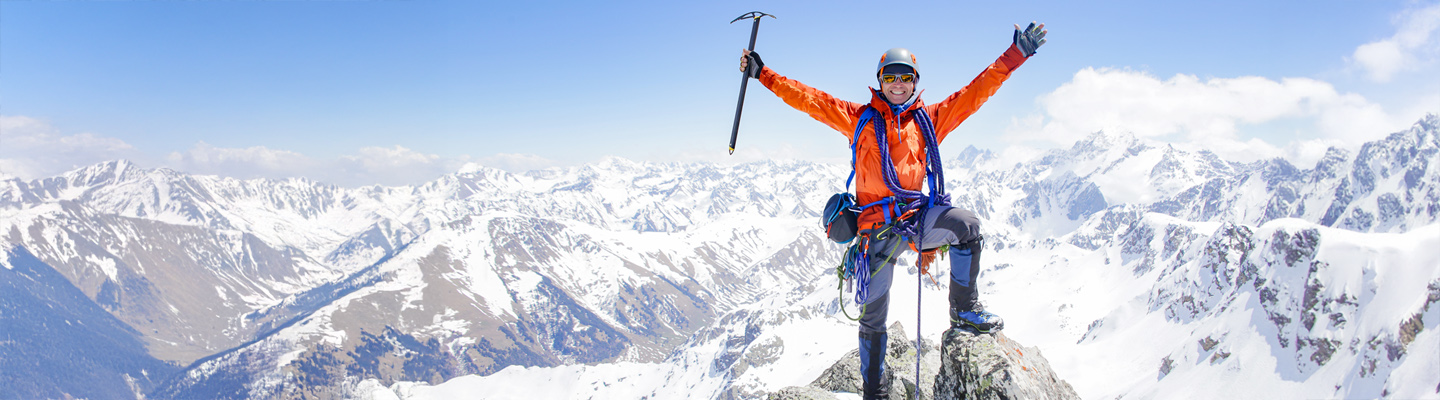
Planning a trek through the Himalayas, up Mount Kilimanjaro, or along Peru’s Inca Trail? When you’re hiking for days at a time in remote, high-altitude terrain, standard travel insurance often isn’t enough.
Trekking travel insurance protects you from the real risks of adventure travel: altitude sickness, medical emergencies far from hospitals, helicopter evacuations, and lost or delayed gear.
If you’re investing time, money, and energy into a bucket-list trek, this coverage helps protect it.
What is trekking travel insurance?
Trekking travel insurance is specialized travel insurance designed for multi-day hikes in remote or high-elevation areas.
Unlike basic travel insurance, trekking coverage focuses on risks like:
- High-altitude illness
- Limited access to medical care
- Emergency helicopter evacuation
- Gear loss or delay
- Trip cancellations due to weather or injury
Many treks climb above 2,000 meters. Some, like Everest Base Camp or Kilimanjaro, go beyond 5,000 meters. At those elevations, altitude sickness and emergency evacuations become real possibilities.
The right trekking insurance plan helps cover medical treatment, evacuation, cancellations, and equipment issues, especially when you’re traveling internationally.
Trekking Insurance vs. Standard Travel Insurance vs. Hiking Insurance
Not all travel insurance covers adventure activities. Here’s how they compare:
| Coverage Type | Elevation Range | What It Typically Covers | Evacuation Coverage |
|---|---|---|---|
| Standard Travel Insurance | Sea level to low elevation | Trip cancellation, basic medical, baggage | Basic ground transport |
| Hiking Insurance | Up to 2,000m–3,000m | Day hikes, minor trail injuries | Limited evacuation |
| Trekking Insurance | 2,000m–6,000m+ | Altitude sickness, remote emergencies, multi-day treks | Helicopter & high-altitude rescue |
Many standard plans exclude high-altitude trekking or adventure activities altogether. If your trek is multi-day, remote, or above 3,000m–4,000m, trekking-specific coverage is usually the safer choice.
What does travel insurance for trekking cover?
Coverage varies by provider, but most trekking travel insurance plans include:
- Trip cancellation and interruption for illness, injury, severe weather, emergencies
- Emergency medical coverage, including altitude sickness and dehydration
- Emergency evacuation, including helicopter rescue when needed
- Lost, stolen, or delayed trekking gear
- Travel delays and missed connections
- Natural disaster coverage (like landslides, monsoons, earthquakes)
- Accidental injury protection abroad
If your trek exceeds 4,000m, confirm your policy specifically covers altitude-related illness and high-altitude evacuation.
Popular Treks and Coverage Considerations
Different elevations require different protection levels:
- Everest Base Camp (Nepal) – 5,364m
Needs high-altitude medical and helicopter evacuation coverage. - Kilimanjaro (Tanzania) – 5,895m
Requires altitude sickness protection and emergency evacuation. - Inca Trail (Peru) – 4,215m
Needs altitude medical coverage and trip interruption benefits. - Annapurna Circuit (Nepal) – 5,416m
Requires comprehensive high-altitude and evacuation protection. - Torres del Paine (Chile) – 850m
Lower elevation, but still remote—evacuation and weather delay coverage matter.
Before buying, check your trek’s maximum elevation and remoteness.
Do I need trekking trip insurance?
If your trek is:
- International
- High-altitude
- Remote
- Expensive and prepaid
…then yes, trekking travel insurance is strongly recommended.
Here’s why:
- Medical care can be limited in mountain regions.
- U.S. health insurance often doesn’t cover overseas emergencies.
- Evacuations can cost $10,000–$100,000+.
- Permits, guides, and flights are often nonrefundable.
- Weather and altitude can disrupt even the best plans.
If you can’t afford to lose your investment, or pay for an evacuation out of pocket, insurance is worth considering.
How much does travel insurance for trekking cost?
Most trekking travel insurance plans cost 4%–10% of your total trip cost.
Your price depends on:
- Your age
- Trip length
- Destination
- Maximum elevation
- Total prepaid, nonrefundable costs
- Optional add-ons (like CFAR)
Estimated Cost Examples
| Trip Cost | Estimated Insurance Cost (4%–10%) |
|---|---|
| $2,000 | $80 – $200 |
| $3,500 | $140 – $350 |
| $5,000 | $200 – $500 |
For example, a $3,500 Everest Base Camp trek could cost $140–$350 to insure, depending on coverage levels.
When should I buy trekking travel insurance?
For the best protection, buy your policy within 14–21 days of your first trip deposit.
Buying early can:
- Qualify you for a pre-existing condition waiver
- Make you eligible for Cancel for Any Reason (CFAR)
- Protect you if something happens before departure
If you’re paying for permits, guides, or specialty lodging, early coverage matters.
How to Buy Trekking Travel Insurance
Follow these steps:
- Add up your total trip cost (flights, permits, guides, lodging, gear)
- Confirm your trek’s maximum elevation
- Consider how remote your destination is
- Compare plans that match your altitude level
- Review exclusions carefully (especially adventure and altitude limits)
- Purchase within 14–21 days of your first deposit
A few extra minutes reviewing elevation limits can save you thousands later.
What is the best travel insurance for trekking trips?
The best trekking travel insurance plan:
- Covers your trek’s maximum elevation
- Includes strong emergency medical coverage
- Provides helicopter evacuation benefits
- Protects your gear
- Covers trip cancellation and interruption
- Offers optional CFAR for flexibility
There’s no one-size-fits-all plan. The right choice depends on your trek, budget, and risk tolerance.
Frequently Asked Questions
Does travel insurance cover altitude sickness?
Yes, if your plan includes altitude coverage and your trek stays within the approved elevation limit. Always confirm your maximum elevation is covered.
Is Everest Base Camp covered by travel insurance?
Not by most standard plans. You need high-altitude trekking insurance that includes helicopter evacuation.
What’s the difference between hiking and trekking insurance?
Hiking insurance covers lower-elevation, shorter hikes. Trekking insurance covers multi-day, higher-elevation expeditions with expanded evacuation and altitude protection.
Do I need helicopter evacuation coverage?
If you’re trekking above 4,000m or in a remote region without road access, helicopter evacuation coverage is highly recommended.
When should I buy trekking travel insurance?
Within 14–21 days of your first trip deposit to maximize benefits like pre-existing condition waivers and CFAR.
Disclaimer: The information contained in this article serves as a general overview of benefits and should only be used for informational purposes. Refer to your individual certificate of insurance for specific coverages, exclusions and benefits. When in doubt, please contact one of our licensed agents for additional assistance.